What to Look for in a Metro Atlanta CCTV System in 2026

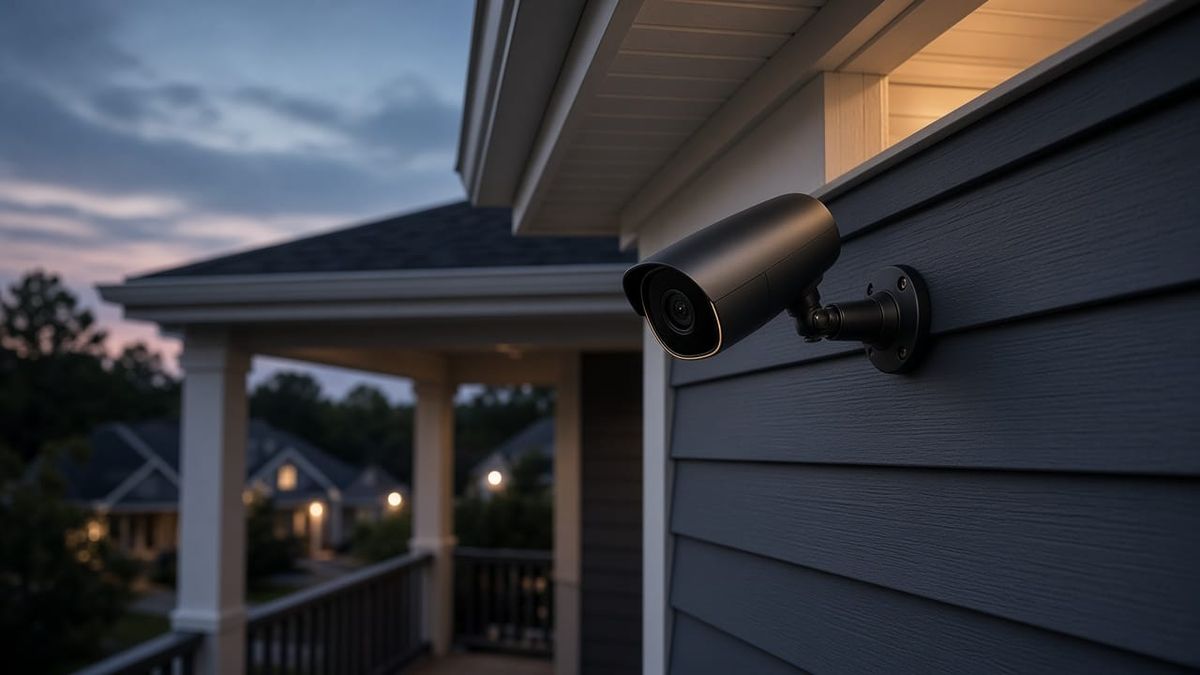
A camera system should do more than record a blurry clip after something already happened. For homes in Marietta and Roswell, and for businesses from Sandy Springs to Kennesaw, the right CCTV setup gives you clear evidence, useful alerts, and a deterrent that works before an incident turns into a loss.
Here is what actually matters when you specify cameras in Metro Atlanta in 2026 — without getting lost in brand names.
Start With NDAA Compliance
If you are putting cameras on a home, office, warehouse, or multi-tenant property, ask whether the equipment is NDAA compliant. That means the cameras and related recording gear are built without banned components from restricted foreign manufacturers under U.S. procurement rules.
For many commercial clients, NDAA compliance is a requirement in contracts, insurance conversations, or corporate security standards. For homeowners, it is still a practical filter: you get hardware that is more likely to stay supported, receive firmware updates, and avoid the cheapest no-name gear that disappears after a year.
Resolution: Why 5MP Beats 4MP for Most Jobs
Megapixels are not marketing fluff when you are trying to identify a face, a license plate shape, or a package on a porch.
4MP is usable for broad overview shots. 5MP gives you noticeably more detail in the same field of view, which matters when a camera covers a driveway, parking lot, or storefront. You can crop in on a recording and still have something useful instead of a smear of pixels.
More resolution only helps if the lens, lighting, and placement are right. A poorly aimed 8MP camera still fails. For most residential and small commercial installs around Atlanta, 5MP is the sweet spot: clearer evidence without forcing oversized storage and bandwidth on every camera.
Advanced Night Imaging Matters More Than Daytime Specs
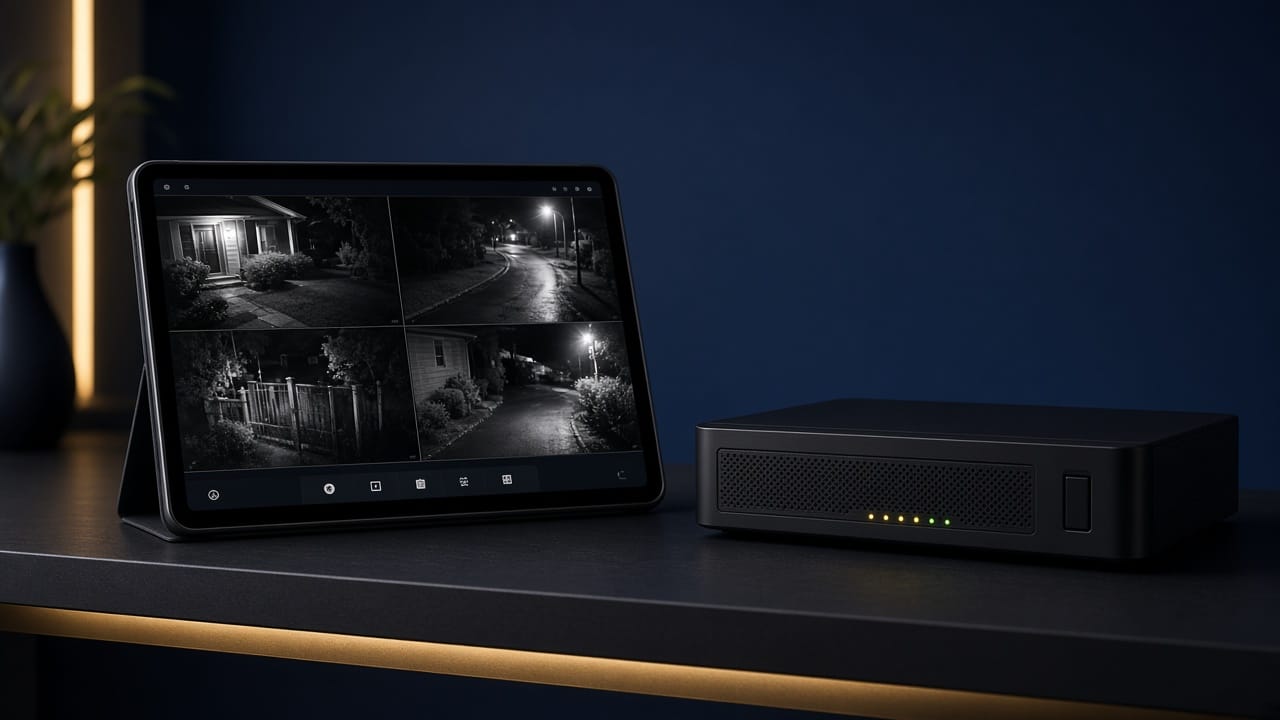
A lot of break-ins and porch thefts happen after dark. Look for cameras with strong low-light performance — better sensors, infrared (IR) illumination, and color night modes where the site has some ambient light.
The goal is a usable night image at the distances you care about, not a brochure claim. On a walkthrough we check porch lights, street lighting, tree cover, and dark corners so night coverage matches how the property is actually used.
Intelligent Target Detection (Fewer Useless Alerts)
Old motion detection fired on every swaying branch and passing headlight. Modern systems use intelligent target detection to distinguish people, vehicles, and sometimes packages from background noise.
That is the difference between an alert you will actually check and a phone that buzzes all night. For a homeowner on I-75, or a shop owner closing in Alpharetta, fewer false alerts means the real ones get attention.
Audio Recording and Two-Way Talk
Video alone does not always tell the story. Audio recording can capture conversation, glass break, or other context — but Georgia has consent and privacy rules, so microphone use should be planned carefully for common areas and commercial floors, not private spaces where recording would be inappropriate.
Two-way audio lets you speak through the camera from your phone. It is useful for talking to a delivery driver, warning someone off a driveway, or checking in with staff at a remote door. Not every camera needs a mic and speaker, but adding them at key entry points is often worth it.
Flashing Lights and Siren Deterrence
Cameras are not only for after-the-fact evidence. Models with flashing lights and built-in sirens can activate when a person or vehicle enters a zone after hours. The goal is deterrence: make the property look watched and make an opportunistic thief move on.
Used with intelligent detection, light and sound features are far more effective than a silent camera that only records.
Optional LPR Cameras
License plate recognition (LPR) cameras are specialized. They are built to capture plates at driveways, gates, and parking lots — useful for HOAs, apartments, warehouses, and businesses that need a record of which vehicles came and went.
Most homes do not need LPR on every corner. When a property has a controlled entrance or a recurring vehicle problem, one well-placed LPR camera can be more valuable than three overview cameras that never read a plate.
When PTZ Makes Sense
PTZ (pan-tilt-zoom) cameras move and zoom on command or by tour. They shine on large lots, loading docks, and open commercial yards where a fixed camera would leave blind spots.
For a typical house, fixed cameras at the right corners usually cover more reliably and cost less. PTZ is a tool for coverage area and operator control, not a default on every residential job.
What a Clean Camera Install Looks Like
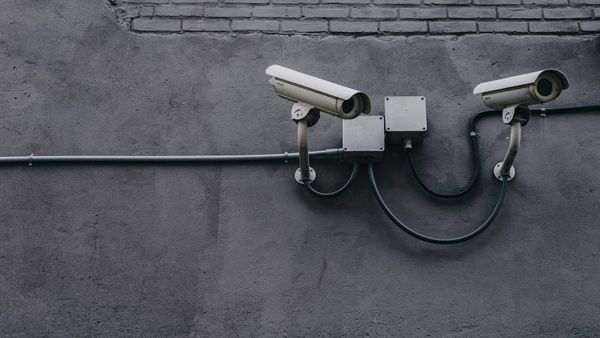
A good CCTV install is planned around cable paths, power (often PoE), local recording on an NVR when you want footage on-site, and remote viewing on your phone. Concealed runs, labeled ports, tested night images, and a walkthrough before we leave are the standard — not a box of wireless cameras stuck wherever the ladder reached.
In Georgia, low-voltage security work should be done by a licensed contractor. AlphaLVC holds Georgia Low Voltage Contractor license LVU406567.
Get a Camera Assessment From AlphaLVC
AlphaLVC is a local, licensed low-voltage contractor serving homes and businesses across Metro Atlanta, including Acworth, Alpharetta, Atlanta, Brookhaven, Canton, Cartersville, Dunwoody, Johns Creek, Kennesaw, Mableton, Marietta, Roswell, Sandy Springs, Smyrna, and Woodstock. You work with the same licensed installer from walkthrough to completion, not a national call center.
Whether you need a new NDAA-compliant camera system, an upgrade from blurry older cameras, or cameras tied into the rest of your security stack, we will give you a clear next step — usually a site visit, not a hard sell.
Call or text 470-295-5382 or email info@alphalvc.com to request your home or business assessment. You can also visit alphalvc.com.