Home & Business Alarm Systems in Metro Atlanta: New Installs vs. Panel Takeovers


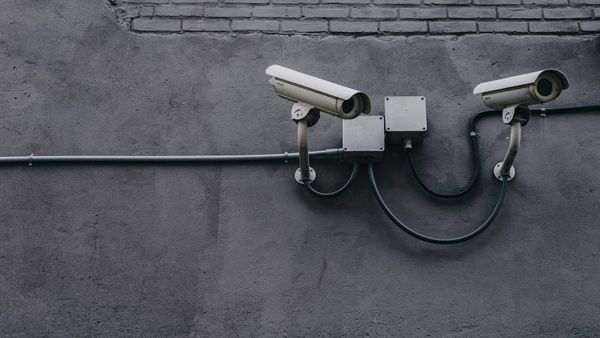
Whether you just closed on a house in Marietta, are finishing a renovation in Roswell, or run a small office in Sandy Springs, a security alarm is still the foundation of protecting a property. Cameras and smart gadgets get the attention, but a properly installed, monitored alarm is what actually detects an intrusion and gets help moving.
Here's how alarm systems work today, when to keep the equipment you already have, and what a clean installation looks like.
What a Modern Alarm System Actually Does
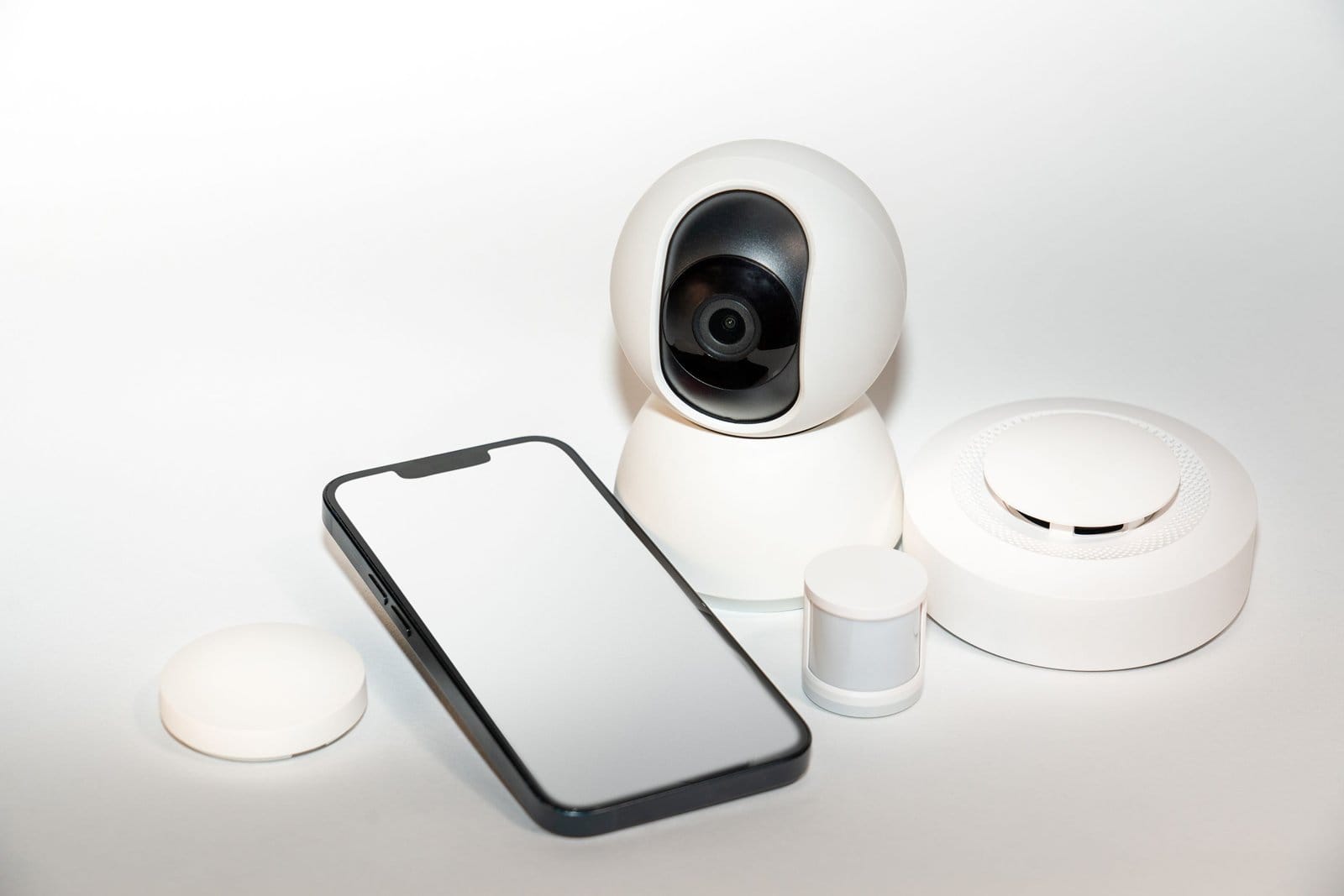
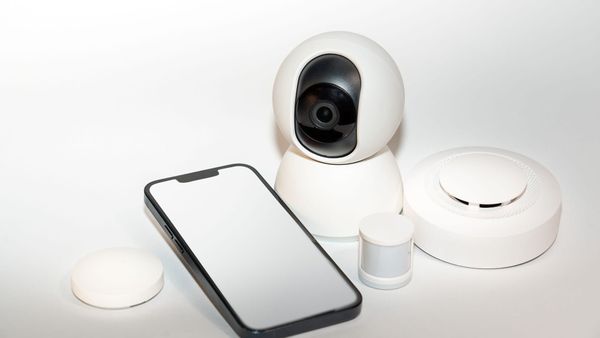
At its core, an alarm system is a control panel plus a set of sensors that watch the openings and spaces of your property:
- Door and window contacts that report when something opens.
- Motion detectors that cover hallways, stairs, and large rooms.
- Glass-break sensors for areas with a lot of windows or sliding doors.
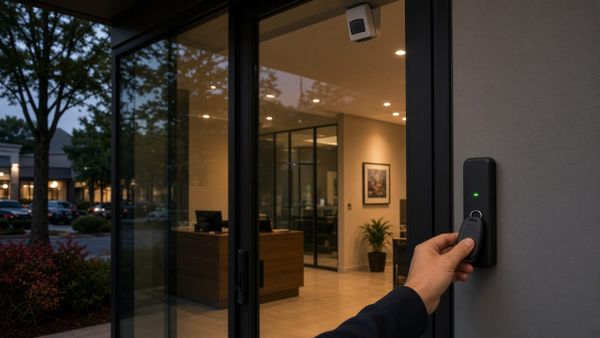
- Keypads and sirens so you can arm, disarm, and make noise when it counts.
- Environmental sensors such as smoke, heat, and water detection where the job calls for it.
What has changed most is how the system talks to the outside world. Older panels often relied on a landline. Today, systems use cellular communication and connect to platforms like Alarm.com or Alula, so you can arm, disarm, and get alerts from your phone, and the monitoring center still receives signals if the phone line or internet is down.
New Install or Takeover? Start With What You Already Own
A lot of homes and businesses around Atlanta already have a DSC or Honeywell panel on the wall, sometimes left behind by a previous owner or a provider you no longer use. Many people assume they need to rip it all out. Often, they don't.
A takeover keeps your existing wiring and sensors and moves the system to cellular monitoring with a modern app. It is usually the fastest and most cost-effective path when:
- The wired sensors are still in good shape.
- You're stuck on an old landline or an outdated provider.
- You want app control without opening up walls.
A new install makes more sense when:
- You're building new or renovating and the walls are open.
- The existing panel is failing, incomplete, or doesn't cover the spaces you care about.
- You're fitting out a commercial space with specific zones, schedules, or user codes.
The honest answer depends on what's already there, which is why the first step should be a walkthrough, not a boxed package.
Why Cellular Monitoring Matters
Monitoring is what turns a loud siren into a response. With cellular monitoring, your panel reports alarms over a dedicated cellular link to a central station, and you get notifications on your phone at the same time.
For homeowners, that means arming the house from the car on I-75, checking whether the kids made it home, or getting an alert if a door opens while you're traveling. For businesses, it means knowing who disarmed and when, setting user codes for staff, and getting notified if the building isn't armed at closing.
At AlphaLVC, cellular monitoring with app access starts at $29.99 a month, and typical takeovers don't require a long-term contract. We'll confirm terms during your assessment.
Homes vs. Businesses: Different Needs, Same Standard
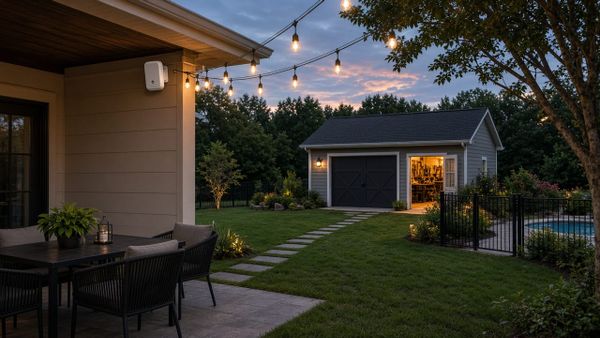
Residential systems usually focus on entry points, a few interior motion zones, and simple daily use. The goal is a system the whole household will actually arm. If it's annoying, it won't get used.
Commercial systems tend to need more zones, multiple user codes, opening and closing schedules, and clear reporting. A retail space in Alpharetta and a warehouse in Kennesaw have very different layouts, so the sensor plan should be built around how the building is really used.
Either way, the standard should be the same: hardware matched to the job, sensors placed where they make sense, and wiring you never have to look at.
What a Clean Alarm Installation Looks Like
A good alarm install is mostly invisible. Here's what to expect from a licensed low-voltage contractor:
- Walk the property. Review blueprints for new builds, or inspect existing panels, wiring, and coverage on older systems, then decide what's worth keeping.
- Specify the system. Choose the platform (Alarm.com or Alula), sensors, and keypads that fit the property instead of whatever happens to be on the van.
- Install it clean. Concealed runs, a labeled panel, every device tested, and a walkthrough so you know exactly how to use the system before we leave.
In Georgia, low-voltage security work should be done by a licensed contractor. AlphaLVC holds Georgia Low Voltage Contractor license LVU406567.
Get a Security Assessment From AlphaLVC
AlphaLVC is a local, licensed low-voltage contractor serving homes and businesses across Metro Atlanta, including Acworth, Alpharetta, Atlanta, Brookhaven, Canton, Cartersville, Dunwoody, Johns Creek, Kennesaw, Mableton, Marietta, Roswell, Sandy Springs, Smyrna, and Woodstock. You work with the same licensed installer from walkthrough to completion, not a national call center.
Whether you need a brand-new alarm system or want to bring an existing DSC or Honeywell panel back to life with cellular monitoring, we'll give you a clear next step, usually a site visit, not a hard sell.
Call or text 470-295-5382 or email info@alphalvc.com to request your home or business assessment. You can also visit alphalvc.com.