Is Anyone Listening When Your Smoke Alarm Goes Off? Why Monitored Fire and CO Detectors Matter

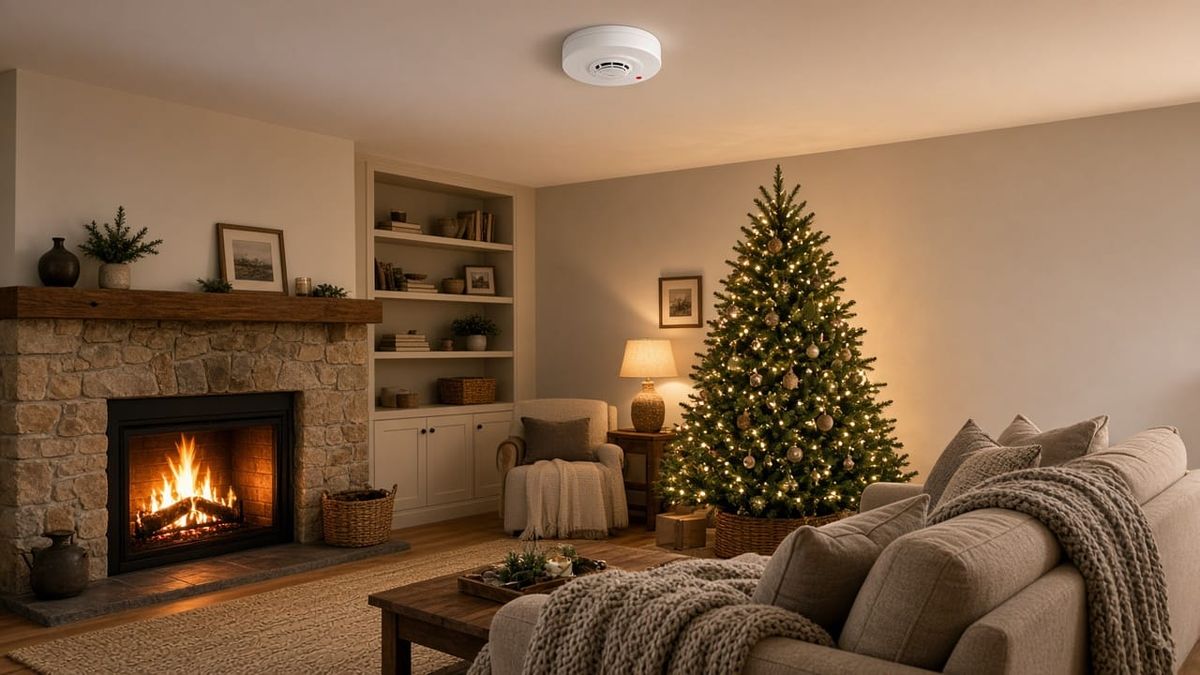
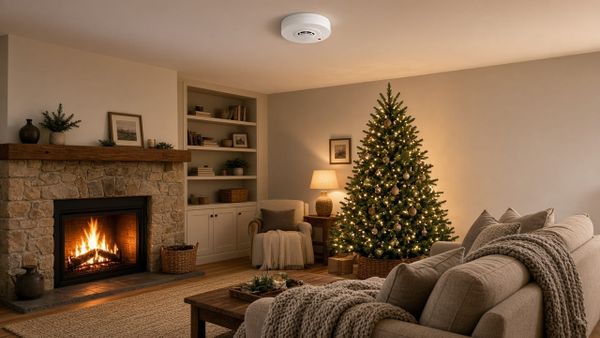
Most homes have smoke alarms that beep. That's a good start, but a beeping alarm only helps if someone is there to hear it and awake enough to act. If a fire starts while you're at work, out shopping for the holidays, or sound asleep at the far end of the house, a standalone detector can sound for a long time with no one responding.
A monitored smoke, heat, and carbon monoxide detector connected to your alarm system changes that. Here's how it works and what homeowners in Marietta, Kennesaw, Roswell, Alpharetta, Woodstock, and Canton should know heading into the colder months.
Why This Matters Right Now
Late fall and winter bring more of the things that can lead to a fire or a carbon monoxide problem at home:
- Furnaces and gas appliances starting up for the season, including gas water heaters, ranges, and dryers
- Fireplaces and wood stoves getting their first use in months
- Space heaters placed near bedding, curtains, or furniture
- Holiday cooking, with more people, more dishes, and more distractions in the kitchen
- Decorations and extra lighting on extension cords and power strips
Carbon monoxide is especially concerning because you can't see it or smell it. A detector is the only practical way to know it's there.
Standalone Beepers vs. Monitored Detectors
A standalone smoke or CO alarm makes noise in the house. That's it. A monitored detector connected to your alarm panel does that and more:
- It alerts the central station, so trained operators know about the alarm even when no one is home to hear it
- It notifies your phone through the alarm app, so you know right away whether you're across town or out of state
- It can sound the alarm system's siren, which is often louder and easier to hear throughout the house than a single detector
- It keeps protecting the home when it's empty, including pets, while you're traveling, or a rental between guests
Monitored detectors are usually added alongside the hardwired smoke alarms a home already has, not as a replacement for them. Your existing alarms keep doing their job, and the monitored ones make sure someone gets the message.
What Happens When a Fire or CO Signal Comes In
When a monitored smoke, heat, or CO detector goes off, the alarm panel sends the signal to the central station. Operators then follow the emergency plan on your account, which typically includes trying to reach you and the contacts on your list and requesting the fire department when needed. Exact procedures depend on the signal type and your account setup, so it's worth reviewing your contact list and instructions with your alarm company.
Because these signals can't wait, a reliable communication path matters. If you're not sure how your panel reports, our post on cellular and dual-path alarm monitoring explains what keeps the signal getting through during power or internet outages.
Where Detectors Usually Go
Placement depends on your home's layout, local code, and the manufacturer's instructions, so treat this as general guidance:
- Smoke detectors are commonly placed inside and outside sleeping areas and on each level of the home, including basements
- CO detectors are commonly placed near sleeping areas and on levels with fuel-burning appliances, a fireplace, or an attached garage
- Heat detectors fit spaces where smoke detectors tend to cause trouble, such as kitchens, garages, laundry rooms, and attics
Detectors are typically kept away from spots that can interfere with them, like right next to air vents, ceiling fans, or bathroom doors where steam drifts out. We'll walk the house with you and recommend locations that follow the manufacturer's guidance.
Avoiding Kitchen Nuisance Alarms
Searing a steak or burning toast shouldn't bring a call from the monitoring center. A smoke detector placed too close to the kitchen is one of the most common causes of nuisance alarms. A heat detector near the kitchen reacts to temperature instead of smoke, so normal cooking is far less likely to set it off, while a monitored smoke detector can sit farther away in a nearby hallway.
Cutting down on false alarms helps everyone, and it can matter for local alarm registration rules too. Our guide to reducing false alarms covers more ways to keep your system reliable.
Testing and Replacement Basics
- Put the system in test mode first. Contact your monitoring center before testing a monitored detector so a test doesn't turn into a real dispatch.
- Test on the manufacturer's schedule and confirm the signal actually reached the central station.
- Check the date on each detector. Smoke and CO detectors don't last forever. Most show a manufacture date or replace-by date, and some chirp when they reach end of life.
- Replace batteries on wireless detectors when the panel or app reports a low battery, rather than waiting for the chirp at night.
- Keep them clean. Dust and cobwebs can affect performance, especially after renovations.
A Note for Businesses
Commercial buildings have their own fire alarm requirements, codes, and inspections, and those systems are usually designed and permitted as a separate project from a security alarm. If you own or manage a business, talk with your fire alarm provider and local fire marshal about what your building needs.
Add Monitored Fire and CO Protection to Your Home
AlphaLVC can add monitored smoke, heat, and carbon monoxide detectors to a compatible home alarm system, help plan placement, and make sure the signals reach the central station and your phone. We are a local, licensed low-voltage contractor (Georgia license LVU406567) serving homes and businesses in Cobb, Cherokee, and Fulton counties, including Acworth, Alpharetta, Canton, Johns Creek, Kennesaw, Mableton, Marietta, Roswell, Sandy Springs, Smyrna, and Woodstock.
Call or text 470-295-5382 or email info@alphalvc.com. Tell us about your home and current alarm system, and we'll recommend detectors and placement that fit.